


Start cooking before it’s perfect: inside Volvo’s treasury “kitchen renovation”
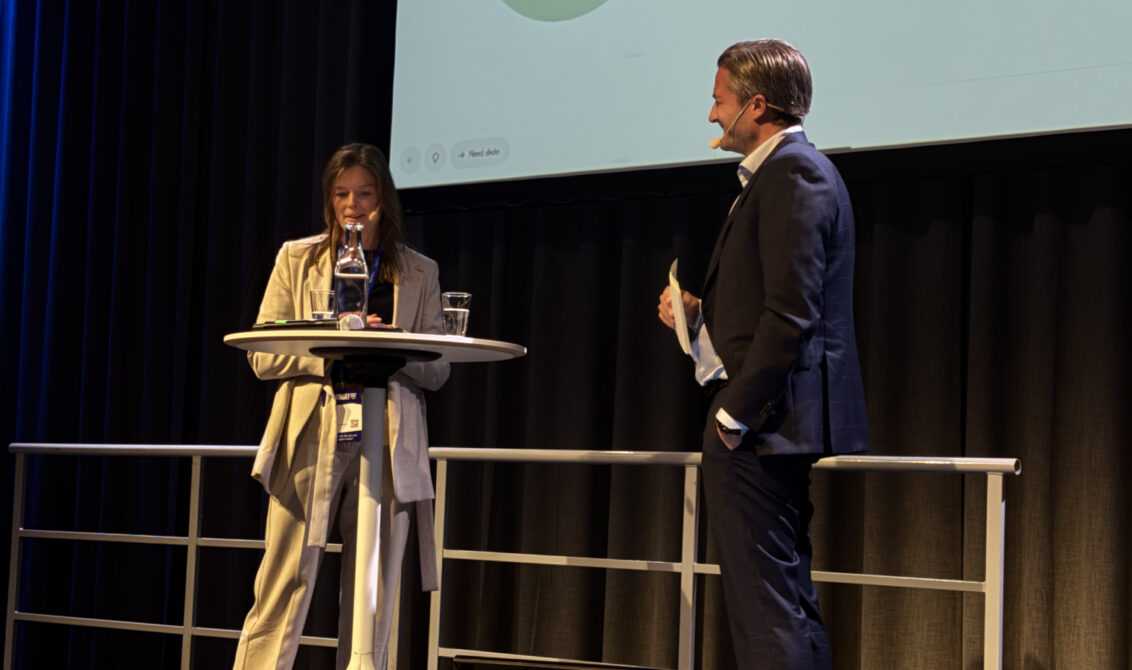
At Treasury 360° Nordic 2026, a recurring theme across sessions was the ambition to become more data-driven. But in a fireside chat with Karin Heltborg, VP Treasury Operations & Digitalization at Volvo Group and Henrik Crone, COO & Deputy CEO at SkySparc, the conversation shifted from ambition to reality.

Rather than focusing on technology, Heltborg centred the discussion on what it actually takes to build a data-driven treasury in practice—and why the hardest part often comes before any advanced tools are introduced.
At Volvo, the journey did not start with AI or automation. It started with a recognition that, while treasury operations were functioning well, the underlying data was fragmented. “It works today, but will it be enough for tomorrow?” Heltborg said, capturing the tension many organisations face when current processes are efficient, yet not future-proof.
Legacy kitchen
To describe the transformation, she used a simple metaphor: a legacy kitchen. The instinct in many organisations is to invest in new technology—the “AI dishwasher.” But, as Heltborg pointed out, “the hard part is not getting the AI dishwasher, but cleaning and renovating the kitchen first.”
In practice, that means addressing scattered data, inconsistent definitions and heavy reliance on Excel. And this is where the real resistance emerges. “My Excel still works is a common answer,” she said, highlighting how difficult it can be to create urgency when nothing appears visibly broken.
Building momentum therefore becomes essential. “Quick wins are essential… getting some quick wins will help you build momentum,” Heltborg explained. At the same time, she warned against superficial fixes. Adding new visualisation tools on top of poor data may create excitement, but risks becoming “like putting lipstick on Excel.”
Ownership gap
As the discussion made clear, the biggest challenges are not technical. “Technology is overpromised,” Heltborg said, pointing instead to organisational barriers. A lack of shared understanding and ownership often slows progress: “Everybody lacks the holistic view,” she noted, describing how initiatives can end up in “the ownership gap” between business and technology.
Alignment is further complicated by competing priorities. “Everyone thinks their activity and their work is most important,” she said. Overcoming this requires deliberate effort, “getting the right people in the right room at the right time”, and significant investment in communication and planning.
Even with that in place, transformation takes time. “These things take much longer than you possibly conceive when you start,” Heltborg said, underlining the importance of maintaining engagement and celebrating progress along the way.
Her reflection on the journey is clear: start smaller and communicate more. “We should have talked a lot more” and “started on a piece instead of all.”
Crayfish cutlery
For treasurers looking to take the next step, her advice is pragmatic. Focus on what truly matters, “identify the crayfish cutlery in your organisation”, accept that perfection will not come first, and begin using what you build. “It is not going to be 100% done before you start using it. You have to start cooking.”
Ultimately, becoming data-driven is less about implementing the latest technology and more about doing the foundational work, “renovating the kitchen”, aligning the organisation and taking ownership of the data itself.
• News from Treasury 360° Nordic 2026, at Gothia Towers in Gothenburg on 23 April, is gathered here.
• And why not spread the posts in our LinkedIn flow? Sign up to follow if you don’t already – and share this post!
• Find here the main conference website, with the agenda.
• Download the event magazine here .
• Many sessions appear in full as videos in the days or weeks after the event.